A powerful discussion of Abdul El-Sayed, DSA, Medicare for All, independent media, and the growing progressive demand for policies that deliver with Arnie Arnesen, host of The Attitude.

Summary
Arnie Arnesen’s enthusiasm for Michigan Senate candidate Abdul El-Sayed reflects a larger political awakening. El-Sayed speaks directly to working people’s material needs without retreating when establishment interviewers deploy ideological labels or manufactured “gotcha” questions. The discussion connects his campaign to the expanding progressive movement, independent media, Medicare for All, campaign-finance reform, and the urgent need for Democrats who will deliver rather than endlessly postpone change.
- El-Sayed communicates with conviction. He explains progressive policies as practical responses to the economic fears and frustrations confronting working families, not as abstract ideological experiments.
- Medicare for All remains central. The private insurance system extracts profits by restricting care, shifting costs onto patients, and rewarding shareholders and executives. El-Sayed’s campaign explicitly prioritizes Medicare for All.
- Democratic socialism has become a political shorthand. Corporate media often concentrates on the DSA label instead of examining whether policies improve healthcare, housing, education, wages, and economic security.
-
Independent media must challenge corporate framing. Commercial outlets profit from political advertising and billionaire-funded campaigns, creating incentives that can distort coverage of candidates who threaten concentrated wealth.
-
Progressives must replace delay with delivery. Establishment Democrats frequently acknowledge public suffering while insisting that transformative solutions remain politically impossible. The progressive movement insists that government act with urgency.
The progressive movement succeeds when it speaks plainly, rejects corporate intimidation, and organizes around policies people can feel in their daily lives. El-Sayed’s campaign represents that approach: diagnose the systemic illness, prescribe a democratic remedy, and mobilize the public to demand treatment.
PLEASE BECOME A PAID SUBSCRIBER TODAY
Countering billionaires—and soon trillionaires—is hard, probing work. They flood the zone with propaganda, policy distortions, and economic fallacies rooted in the Powell Memo and financed by concentrated wealth. We work every day to answer that machinery with truth, context, and critical thinking. But independent media cannot survive on conviction alone. It needs support from people who understand the stakes. Please become a paid subscriber today. Your support keeps this work alive, expands its reach, and helps build a media ecosystem that serves people, not plutocrats. This is not charity. It is an investment in truth, democracy, and the public good.
Premium Content (Complimentary)
Abdul El-Sayed and a Progressive Movement Ready to Deliver
Arnie Arnesen heard something important when she listened to Abdul El-Sayed withstand a rigorous interview: a candidate who understands both the country’s pain and the systemic causes behind it. He did not hide behind consultant-tested language. He explained why millions of Americans cannot afford healthcare, housing, education, or economic stability despite living in the wealthiest nation in human history.
That clarity makes establishment institutions nervous.
El-Sayed, a physician and former public-health official, approaches politics much as a doctor approaches illness. He examines symptoms, identifies underlying causes, and proposes treatment. He does not pretend that a broken healthcare system will heal itself through another tax credit, another complicated subsidy, or another promise that private insurers will suddenly place patients above profits.
His campaign identifies three principal goals: remove money from politics, put more money into working people’s pockets, and enact Medicare for All. Those priorities speak directly to the economic insecurity affecting the overwhelming majority of Americans.
The discussion with Arnesen also exposes the emptiness of the media’s obsession with labels. Interviewers repeatedly ask whether a candidate qualifies as a socialist, democratic socialist, capitalist, or member of some ideological faction. That framing allows corporate media to avoid a far more important question: Will the candidate’s policies improve people’s lives?
El-Sayed has rejected the socialist label while embracing major progressive policies and receiving support from prominent left leaders. That distinction should not confuse anyone. A candidate need not accept every plank of any organization to recognize that markets require democratic boundaries and that essential services should serve the public rather than investors.
The Democratic Socialists of America matter because the organization pushes political debate toward material results. Its supporters demand universal healthcare, stronger unions, affordable housing, public investment, and limits on corporate power. Americans do not always understand the democratic-socialist label, but many support specific policies associated with the movement. A recent Reuters/Ipsos survey found widespread uncertainty about what democratic socialism means, demonstrating how effectively opponents have substituted caricature for substantive debate.
That is precisely why independent media remains indispensable. Corporate outlets depend heavily on wealthy owners, sponsors, and political advertisers. They can employ excellent journalists while still operating inside a business model that rewards conflict, sensationalism, and access to powerful people. Candidates proposing to diminish corporate political influence inevitably threaten that ecosystem.
Hawaii has now offered a bold example. Governor Josh Green signed legislation intended to restrict corporate political spending by redefining the electoral powers granted to corporate entities. The law takes effect in July 2027 and will almost certainly face legal challenges. The principle remains sound: corporations exist through legal charters created by the public, yet concentrated corporate wealth has gained extraordinary power over elections supposedly belonging to human citizens.
Progressives must also learn from establishment Democrats’ repeated failures. Too many Democratic leaders tell voters that they support universal healthcare someday, affordable housing eventually, meaningful climate action when conditions become favorable, and campaign-finance reform after the next election. Republicans say no. Corporate Democrats say later. Working people receive nothing from either response.
El-Sayed offers a more compelling model. He names the problem, describes the solution, and trusts voters enough to explain the struggle honestly. His Michigan Senate primary has become a test of whether a grassroots progressive can overcome massive outside spending and establishment opposition. Reporting indicates that the contest has attracted extraordinary sums, much of it benefiting his more centrist opponent.
The progressive movement cannot guarantee victory in every election. It can guarantee something equally important: no surrender before the fight begins. Americans want doctors when they become sick, homes they can afford, schools that do not bury them in debt, and jobs that support dignified lives. These are not radical demands. They constitute the basic obligations of a functioning democracy.
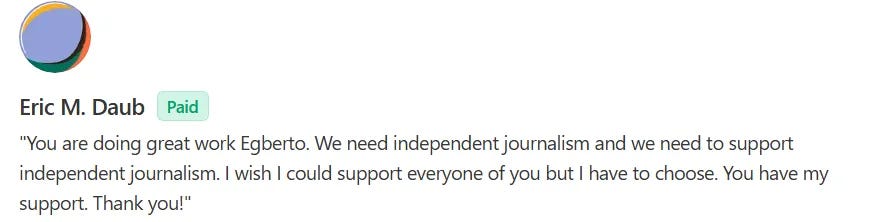
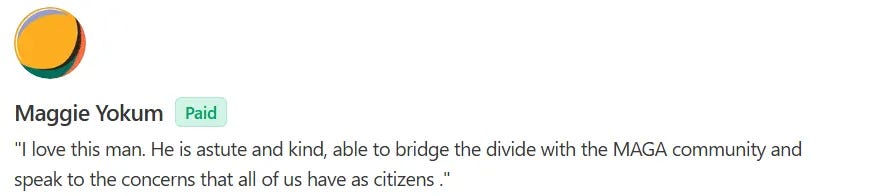
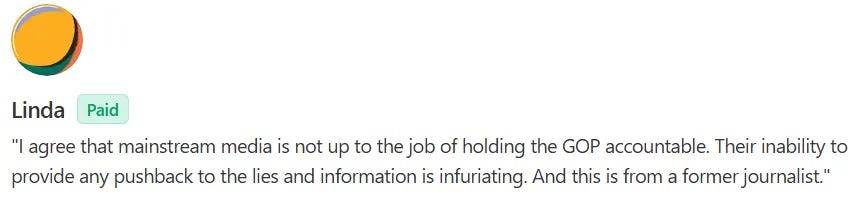
Independent Media needs you
If you like what we do, please do the following!
- Become Patreon here.
- SUBSCRIBE to our YouTube Channel here.
- SUBSCRIBE to our Facebook Page here.
- SUBSCRIBE to our Podcast here.
- Support our GoFundMe equipment fund here.
- Share our blogs, podcasts, and videos.
- Consider contributing here.