Markos Moulitsas warns Democrats that democracy needs more than anger. Progressives must build media, local power, candidates, and organizing muscle to win.

Summary
Markos Moulitsas brings a blunt warning and a strategic roadmap. The Daily Kos founder makes clear that progressive politics cannot survive on outrage alone; it must build durable power, contest every institution, communicate without apology, and refuse to let billionaires, consultants, and corporate media define the future of democracy.
- Progressives must stop treating elections as seasonal events and start treating organizing as permanent civic infrastructure.
- Daily Kos represents independent, reader-funded progressive media that fights for democracy without billionaire ownership or corporate gatekeepers.
- Moulitsas’s larger point tracks the central lesson of Netroots politics: people-powered media can move voters, shape narratives, raise money, and pressure the Democratic Party to fight harder.
-
The interview reinforces that Democrats must compete everywhere, including in places the old consultant class has written off.
-
The progressive movement must connect democracy, economic justice, media reform, labor, race, immigration, and bodily autonomy into one coherent fight against authoritarian capitalism.
The message is direct: democracy will not save itself. Progressives must build the media, the movements, the candidates, and the electoral machinery necessary to defeat MAGA authoritarianism and replace corporate politics with people-centered power.

Premium Content (Complimentary)
Markos Moulitsas did not build Daily Kos as a polite salon for political spectators. He built it as a fighting instrument for democracy, a space where progressive citizens could argue, organize, fund candidates, challenge weak Democratic messaging, and punch through a media system too often captured by corporate interests and elite cowardice. That matters because this political moment demands more than commentary. It demands power.
The core lesson from this conversation is simple: outrage without organization changes very little. America has no shortage of angry people. Workers feel squeezed. Families fear medical bills. Young people face debt, rent gouging, climate instability, and a political system that too often treats their future as collateral damage. Immigrants get demonized while their labor sustains communities. Women and LGBTQ Americans see their rights treated as bargaining chips by extremists. Black and brown communities continue to face voter suppression, police abuse, environmental racism, and economic extraction. But anger alone does not defeat authoritarianism. Organized anger does.
That is where Moulitsas’s experience matters. Daily Kos has long operated at the intersection of media and organizing. It fights for democracy by giving people information and resources to win elections and influence government. It’s virtually an independent, reader-funded progressive media rooted in a partisan community. That model rejects the myth that journalism must pretend neutrality between democracy and fascism, between truth and propaganda, between working people and oligarchs. Independent progressive media can tell the truth plainly because it does not depend on the blessing of billionaires.
Corporate media often reduces politics to horse races, polling noise, personality drama, and pundit spectacle. That framing serves power. It trains citizens to watch politics instead of doing politics. It makes voters feel like consumers of government rather than owners of democracy. Progressive media must reject that model. It must explain who benefits, who pays, who lies, who organizes, and who gets erased. It must expose the money behind policy, the consultants behind failed messaging, and the institutions that normalize extremism.
Moulitsas also reminds progressives that the Democratic Party cannot afford to behave like a cautious insurance company. MAGA politics does not merely disagree on tax rates or regulatory policy. It aims to capture the courts, intimidate election workers, punish dissent, attack immigrants, criminalize reproductive autonomy, and turn government into a weapon for the powerful. A movement that faces that threat cannot respond with timid slogans and consultant-tested mush. It must speak in moral language and organize with strategic discipline.
That means competing everywhere. It means building local parties, school board slates, county networks, union alliances, digital media platforms, and candidate pipelines. It means refusing to abandon rural communities to right-wing radio, churches captured by reactionary politics, and billionaire-funded disinformation. It means treating working-class voters with respect, not as demographics to manipulate every two years but as neighbors whose material conditions must improve.
The Netroots movement helped prove that ordinary people could use digital tools to challenge party insiders, elevate progressive candidates, and move resources quickly. Daily Kos was founded in 2002 by Markos Moulitsas and grew into a major progressive community and media platform. That history still matters, but nostalgia will not win the next fight. The right has built a ruthless media machine, a legal infrastructure, billionaire donor networks, and a propaganda ecosystem that can manufacture outrage on demand. Progressives must answer with truth, repetition, organizing, and solidarity.
This conversation also points to a deeper reality: democracy and economic justice cannot be separated. Billionaire power does not only buy elections. It shapes what gets covered, what gets ignored, who gets platformed, and which ideas get dismissed as unrealistic. Universal healthcare becomes “too expensive” while tax cuts for the rich become “growth.” Student debt relief becomes “unfair” while corporate bailouts become “stability.” Labor rights become “burdensome” while executive compensation becomes “market value.” That entire ideological structure must be challenged every day.
Progressives win when they tell the truth in human terms. A healthcare denial is not an abstraction; it is a family crisis. A union drive is not a special interest; it is democracy at work. A voting rights fight is not a procedural dispute; it is the difference between representation and rule by minority extremists. Climate policy is not a boutique issue; it is the survival of communities already breathing polluted air and watching floods, fires, and heat destroy lives.
Markos Moulitsas’s message lands because it cuts through defeatism. The antidote to authoritarian politics is not despair. It is organized civic muscle. It is independent media. It is a political community that understands that power concedes nothing without pressure. Daily Kos’s reader-funded model shows one way to break dependency on corporate owners and billionaire backers. Netroots Nation’s ongoing role shows another: bring activists, journalists, candidates, organizers, and citizens into the same space to sharpen the fight.
The progressive movement must now act like it intends to govern. That means building majorities, winning elections, protecting vulnerable communities, and holding Democratic leaders accountable when they drift toward caution instead of justice. It means telling the truth about MAGA extremism without euphemism. It means naming capitalism’s failures when profit overrides healthcare, housing, wages, public education, and democracy itself.
This is not the time for soft politics. It is the time for people-powered politics. The work ahead requires independent media, relentless organizing, and a movement willing to fight for the multiracial working class without apology. Moulitsas did not just discuss Daily Kos. He pointed to the infrastructure progressives must strengthen if they intend to stop authoritarianism and build a country worthy of its people.
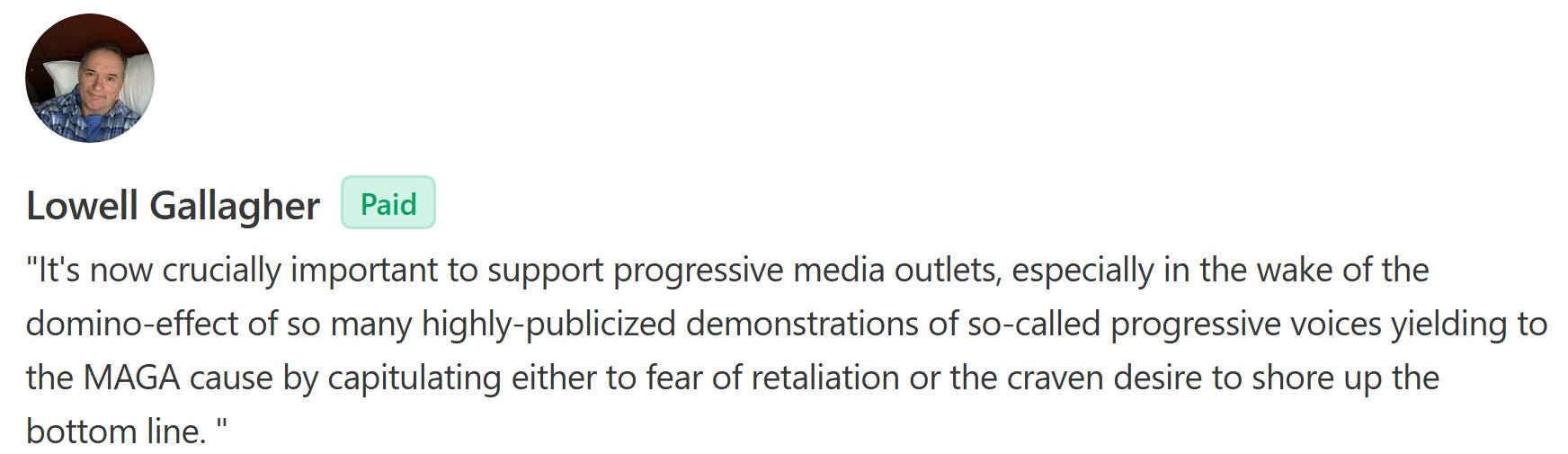
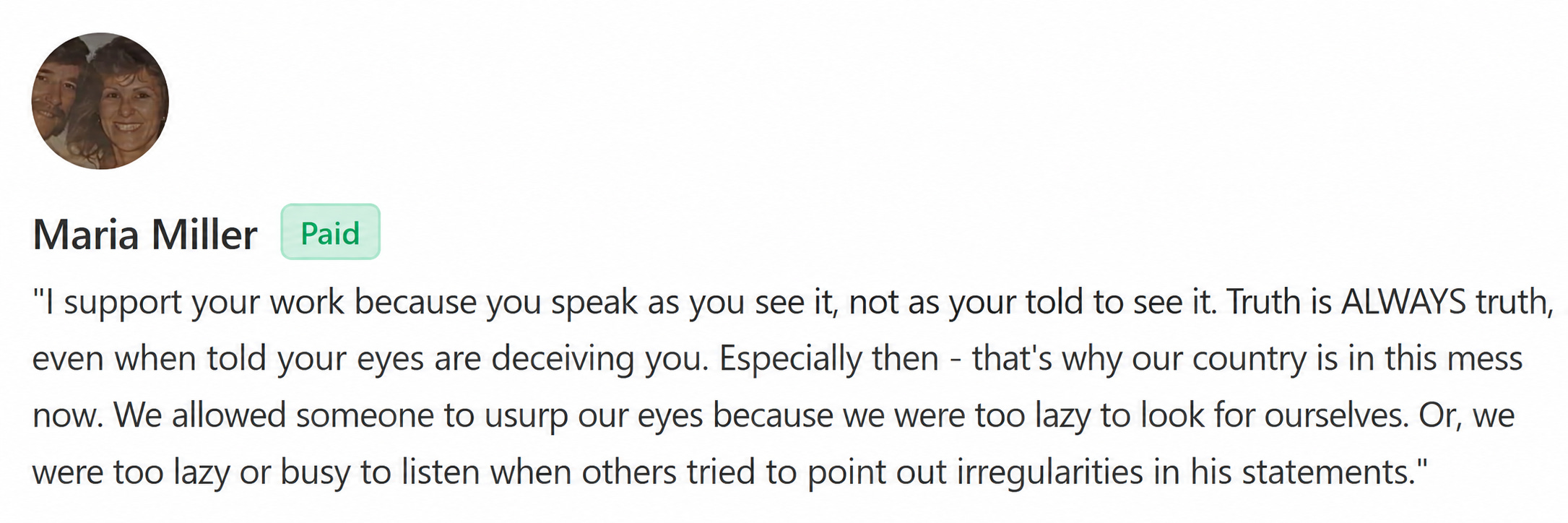
Independent Media needs you
If you like what we do, please do the following!
- Become Patreon here.
- SUBSCRIBE to our YouTube Channel here.
- SUBSCRIBE to our Facebook Page here.
- SUBSCRIBE to our Podcast here.
- Support our GoFundMe equipment fund here.
- Share our blogs, podcasts, and videos.
- Consider contributing here.